
Sorting & Containment
Sorting of suspect parts and containment actions that protect production and shipments.
Learn more
Service
Documented controls at every stage,
from incoming parts to shipment
We carry out documented visual, dimensional and functional checks against your drawings, specifications and acceptance criteria — at receiving, during production, at end of line and before shipment.
Precision
Conformity
Consistency
Traceability
Drawings, specifications
and limit samples
From incoming parts
to pre-shipment
Traceable inspection records
Adapted to project scope
The challenge
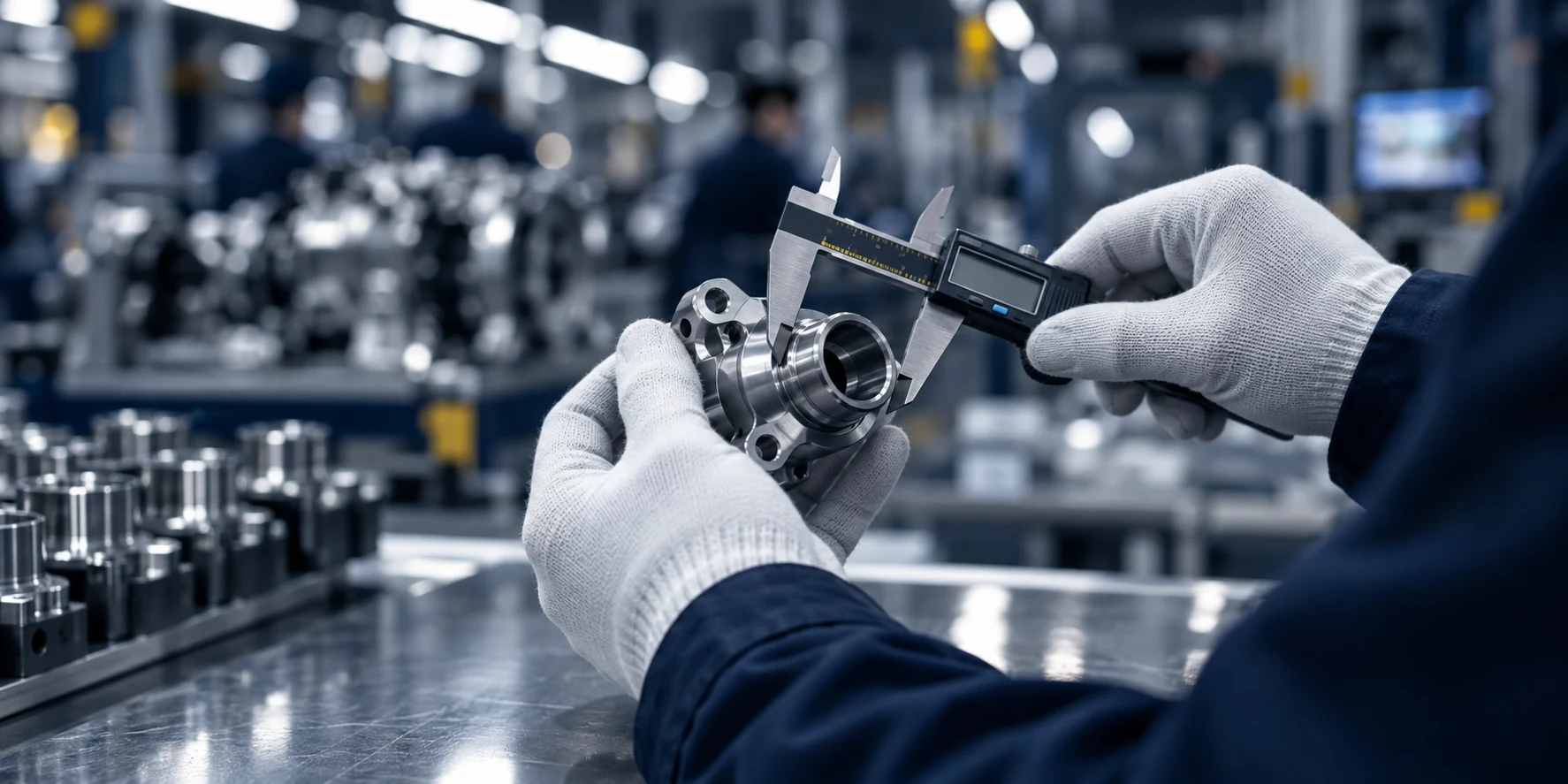
Defects that go undetected travel down the line and reach your customer, where they cost far more to correct. Inspection is most effective where defects can be caught before they travel further.
What we provide: inspection organised around four control points, applying the checks that are relevant to your parts and to the agreed scope.
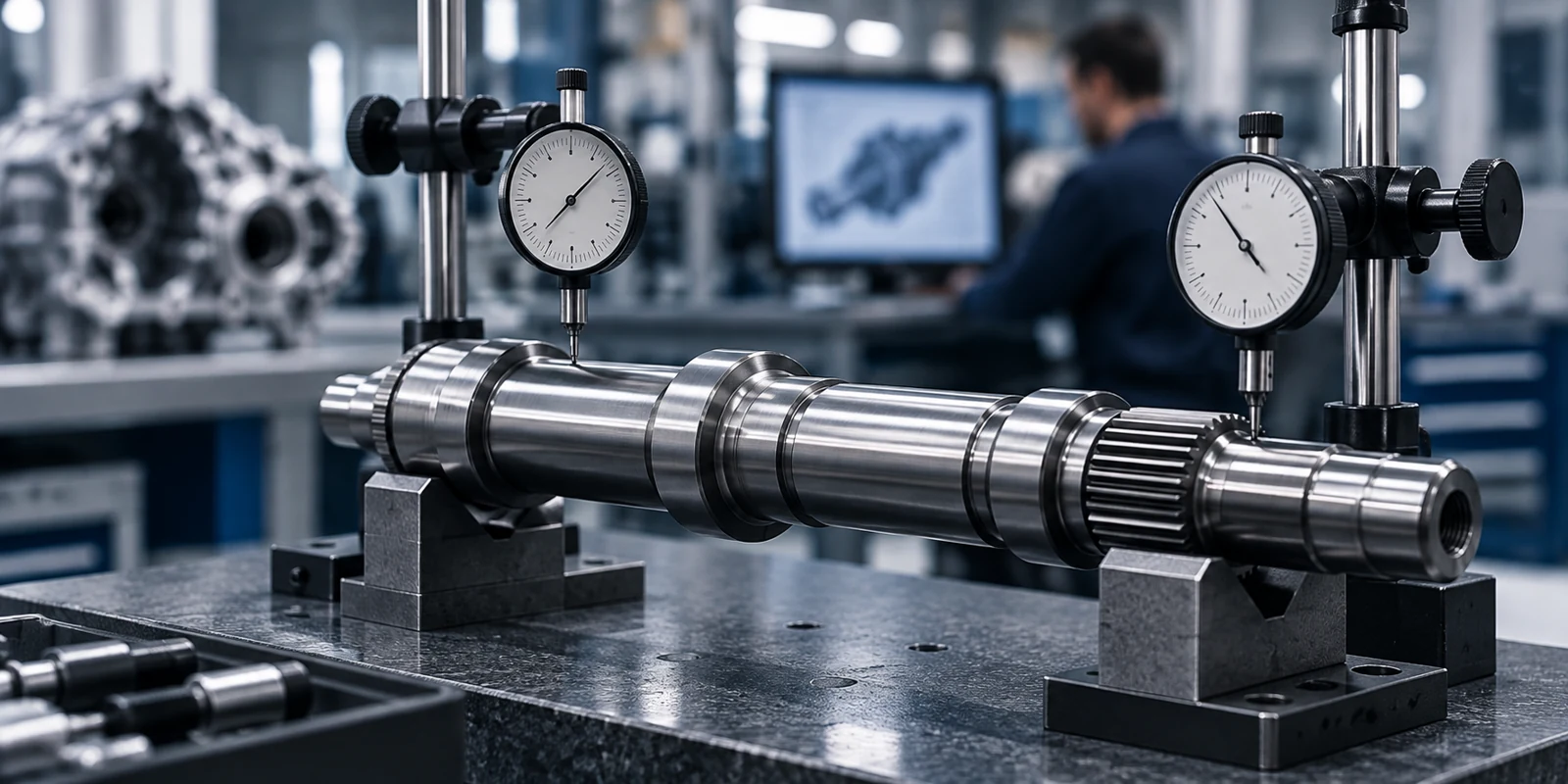
Types of checks
Checks are defined for each project from your documentation. Inspection means — gauges, measuring instruments, test fixtures or limit samples — are defined with you, and their calibration or validity status is checked before use.
Our process
Drawings, specifications, defect
criteria and quantities.
Instructions, inspection means
and control points.
Checks against the criteria;
conforming and non-conforming
parts kept apart.
Traceable results and input
for corrective actions.
Benefits
Industrial parts and components — metal, plastic, rubber, electronic or assembled — provided clear acceptance criteria and suitable inspection means are available. Feasibility is confirmed when we scope the need with you.
Your drawings, specifications, inspection instructions, limit samples and customer-specific requirements. We do not replace your acceptance criteria: we apply them consistently.
Inspection can be organised at your site, at a supplier’s facility or at your customer’s location, depending on where the parts are, the access conditions and the agreed scope.
Yes. Each intervention is documented: quantities checked, accepted and rejected, defect types and lot identification. Format and frequency are agreed with you.
Start-up depends on the scope, the location, the resources required, access to the parts and the availability of inspection criteria. A realistic start date is agreed with you when the need is scoped.
Related services
Sorting of suspect parts and containment actions that protect production and shipments.
Learn more
An additional, controlled inspection point during launches or quality incidents.
Learn more
Controlled rework of non-conforming parts according to defined instructions.
Learn more
Process and product quality support, assessments and problem solving.
Learn moreOur team will review your project and propose
a suitable inspection approach.