

Sorting & Containment
Sorting of suspect parts and containment actions that protect production and shipments.
Learn more
Service
Recover non-conforming parts
under controlled conditions
When non-conforming parts can be recovered, we carry out rework or rectification according to instructions you have approved, then check the reworked parts against the applicable criteria — so that recovery does not become a new source of risk.
Approved
Controlled
Verified
Traceable
Rework defined
and validated with you
Only the agreed
rework method
Reworked parts
checked after rework
What was reworked,
checked and rejected
The challenge
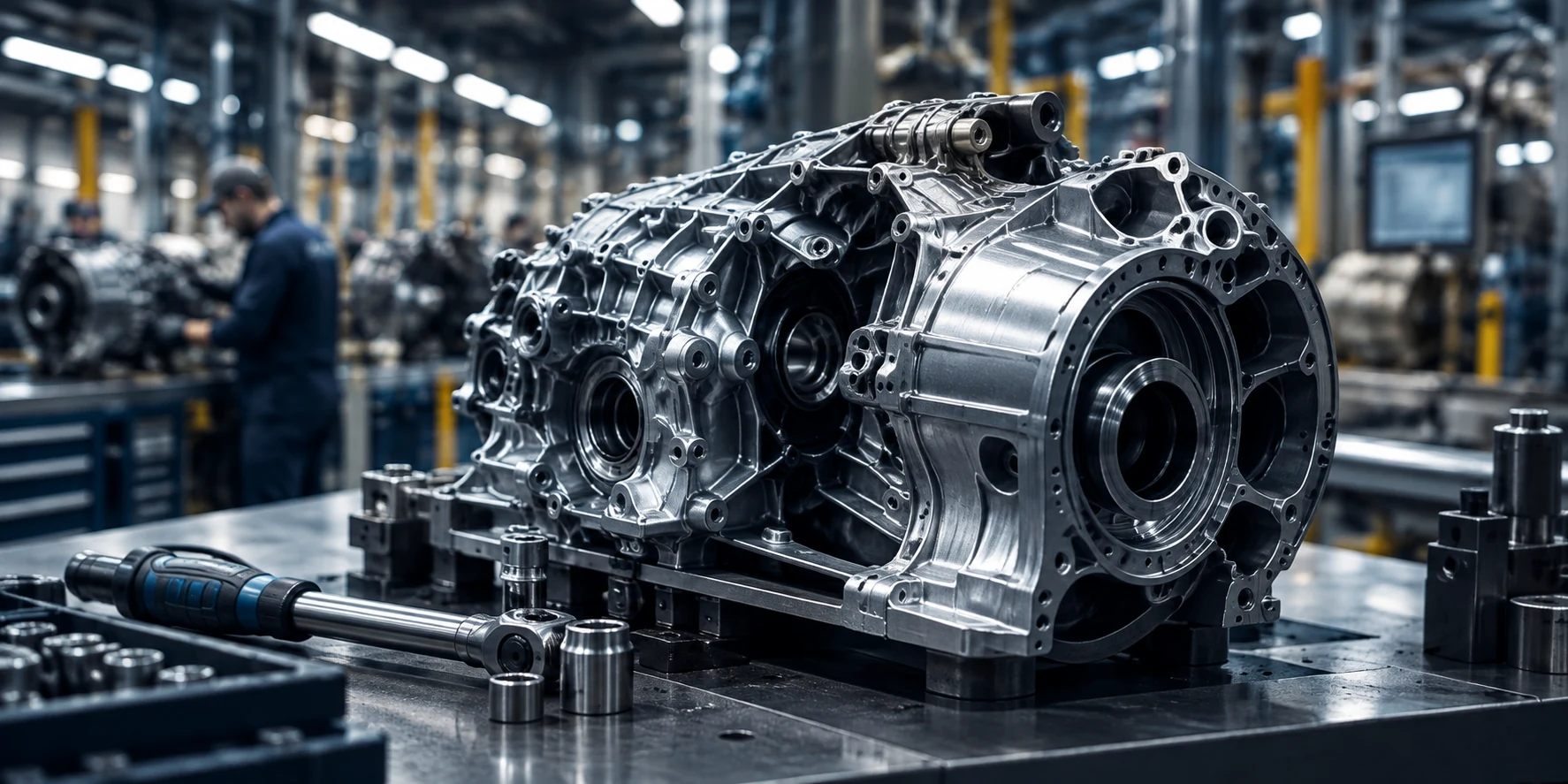
Scrapping parts that could be recovered is costly and can leave your line short of components. But uncontrolled rework can create new defects or mix reworked and untreated parts.
What we provide: rework or rectification carried out according to the method you approve, with verification of the result and clear separation between parts before and after rework.
Controls & traceability
Rework must remain visible in your quality records. We agree with you how parts are tracked through the operation and what is reported.
Our process
Nature of the non-conformity
and recovery options.
Rework instructions and
acceptance criteria agreed.
Parts reworked, then checked
against the criteria.
Results documented; parts
released as agreed.
Benefits
The rework method must be approved by you and, where required, by your customer. We apply the approved instructions and do not change the method without your agreement.
No. Rework is only suitable when the defect can be corrected without affecting the functional, safety or appearance requirements of the part. Parts that cannot be recovered are segregated and identified.
Reworked parts are checked against the acceptance criteria defined for the operation, using the inspection means agreed with you, before they are released.
Depending on the parts and the tools required, rework can take place at your site, at a supplier’s premises or at another location agreed with you.
Yes. Quantities reworked, accepted and rejected, and any relevant observations, are recorded and shared in the format agreed with you.
Related services
Sorting of suspect parts and containment actions that protect production and shipments.
Learn more
Incoming, in-process, final and pre-shipment checks: visual, dimensional and functional.
Learn more
Process and product quality support, assessments and problem solving.
Learn more
Describe the non-conformity and the quantities concerned —
we will review whether controlled rework is suitable.